Writing & Books
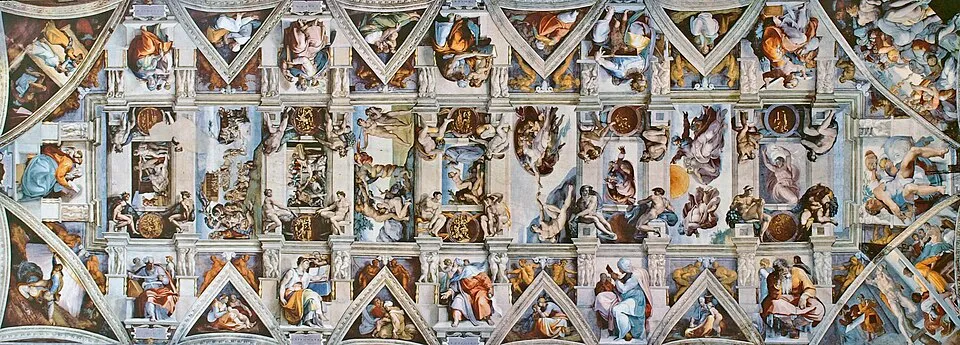
Michelangelo: The Sculptor Who Reshaped the Art World Forever
Ross King's *Michelangelo and the Pope's Ceiling* shows how an antisocial sculptor with little fresco experience reshaped Western art forever.
Read more Ross King's *Michelangelo and the Pope's Ceiling* shows how an antisocial sculptor with little fresco experience reshaped Western art forever.
Read more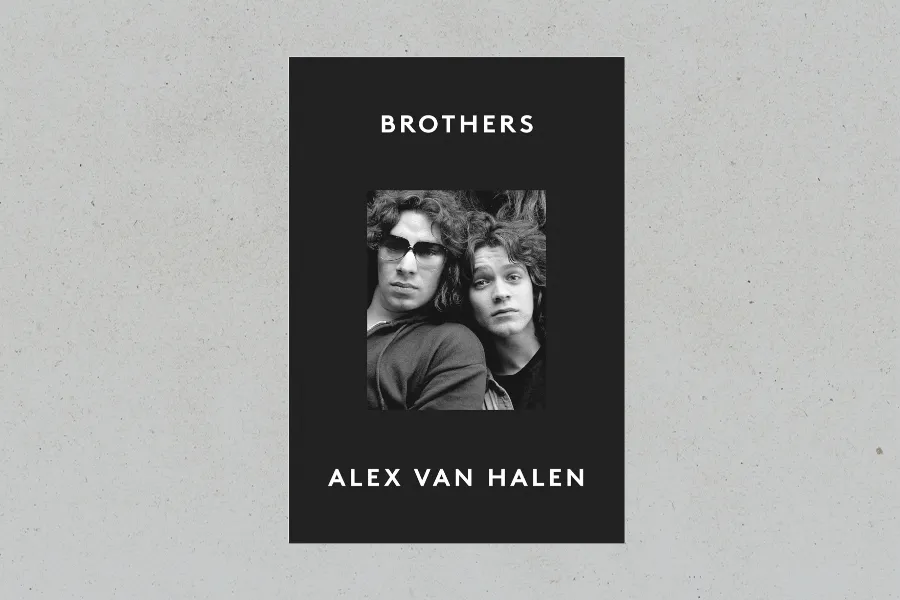
Alex Van Halen's memoir is a tribute to the unbreakable bond between two brothers who chased a sound, not fame — and whose shared love of music became the bedrock of rock-and-roll history.
Read more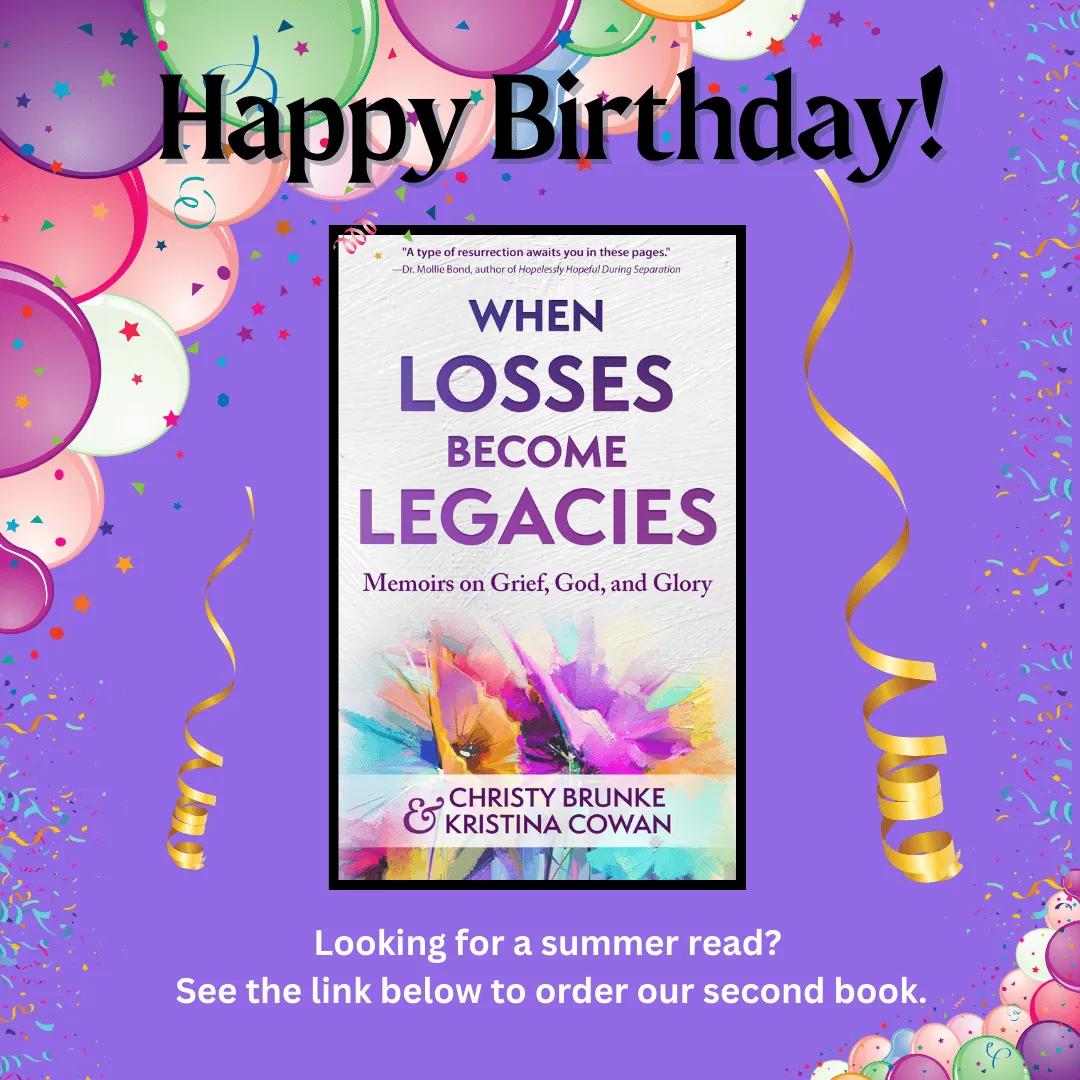
When Losses Become Legacies turns two, and we're celebrating with reader reviews and a giveaway — because your words help others discover the book.
Read more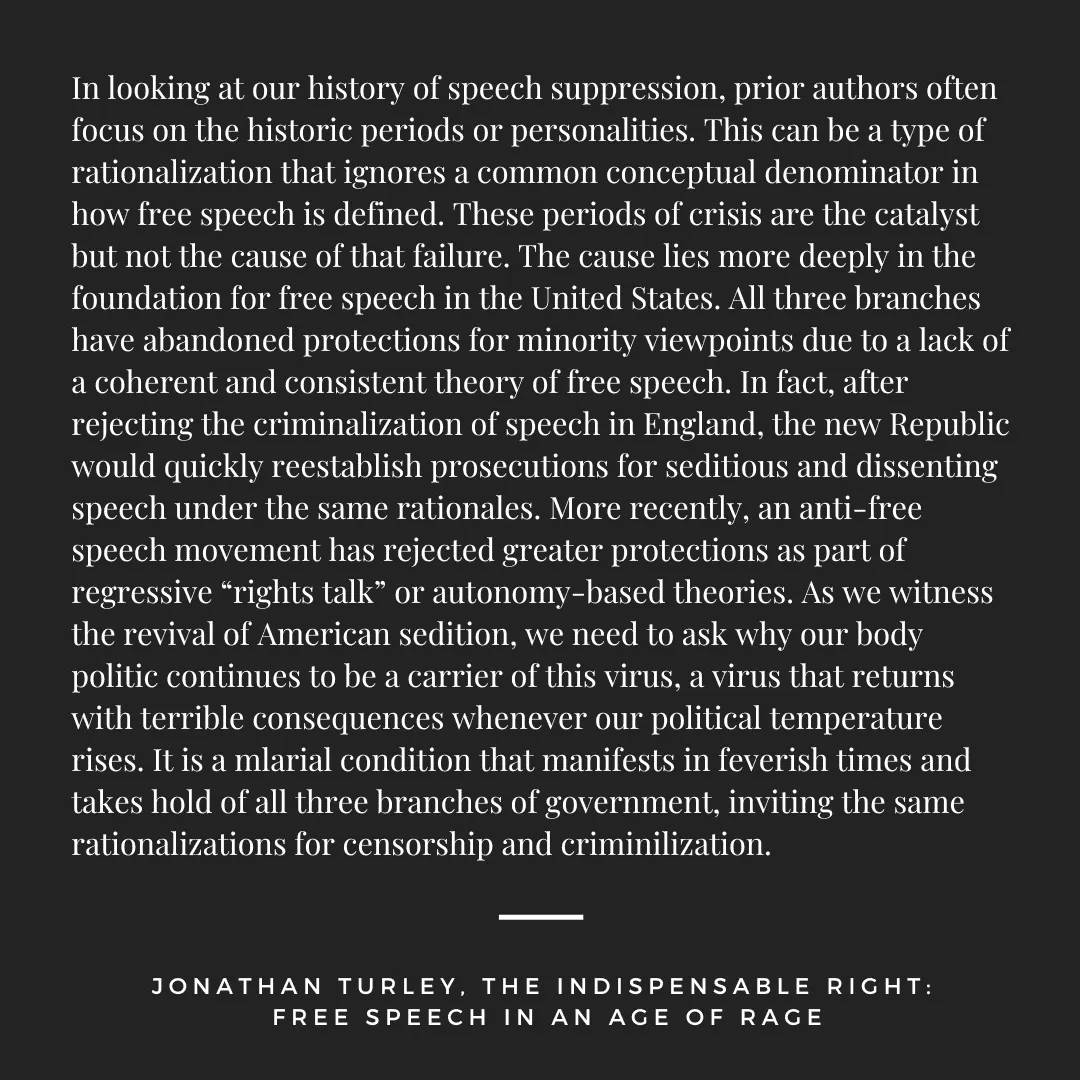
Three essential reads for the season: a life-changing book on metabolic health, a defense of free speech in an age of rage, and a manual for Christian dissidents facing soft totalitarianism.
Read more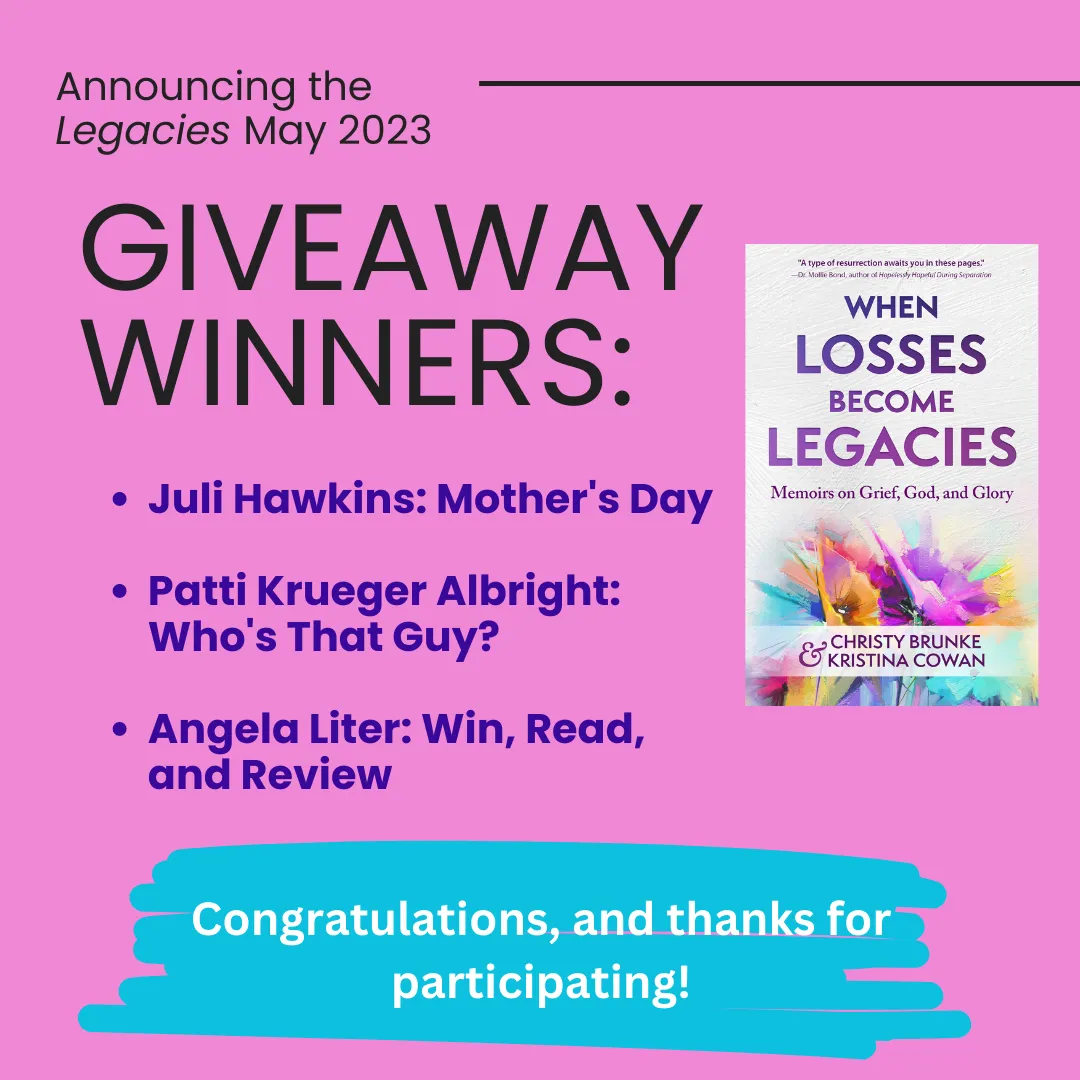
Congratulations to the three winners of our Legacies anniversary giveaways — and a heartfelt thank you to everyone who celebrated with us.
Read more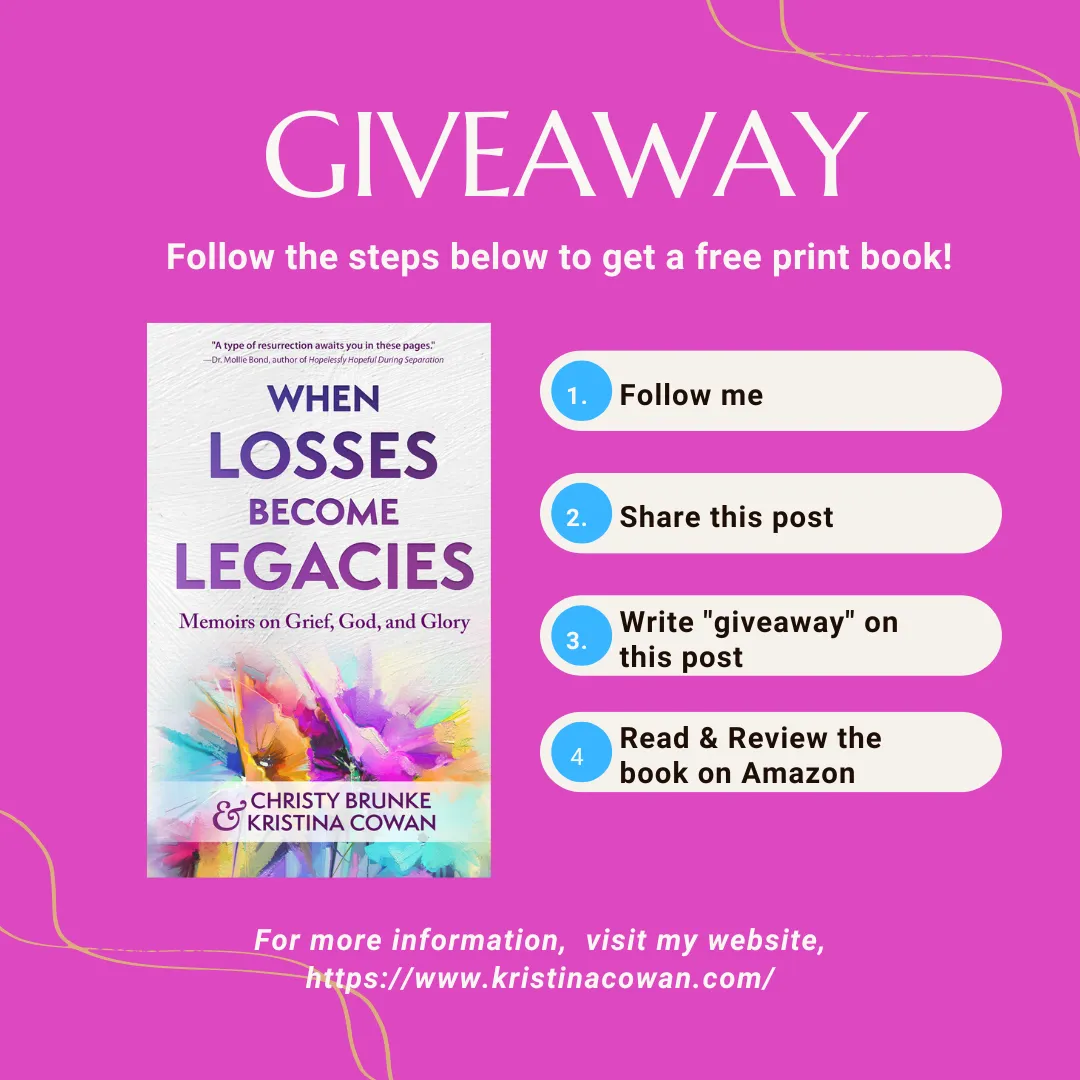
Book reviews are manna for authors and readers alike. This final giveaway invites you to win a copy of Legacies, read it, and share what you think.
Read more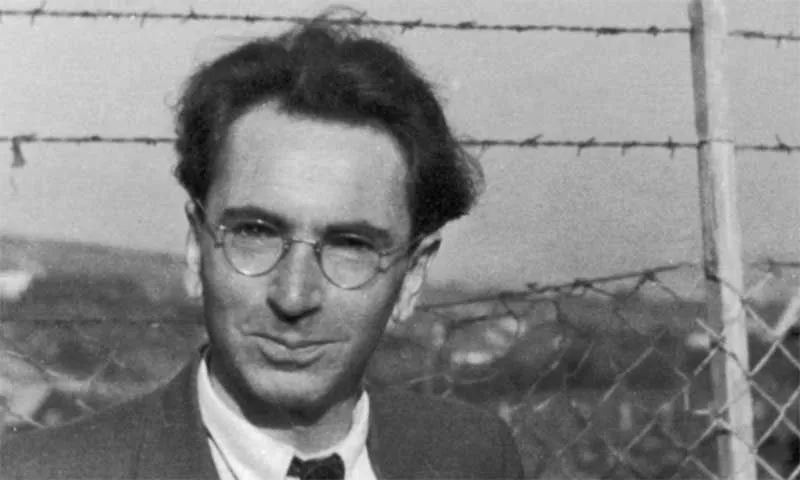
Viktor Frankl taught that meaning is the primary force driving human life. In a culture drowning in division and despair, the search for logos — for meaning rooted in something eternal — has never mattered more.
Read more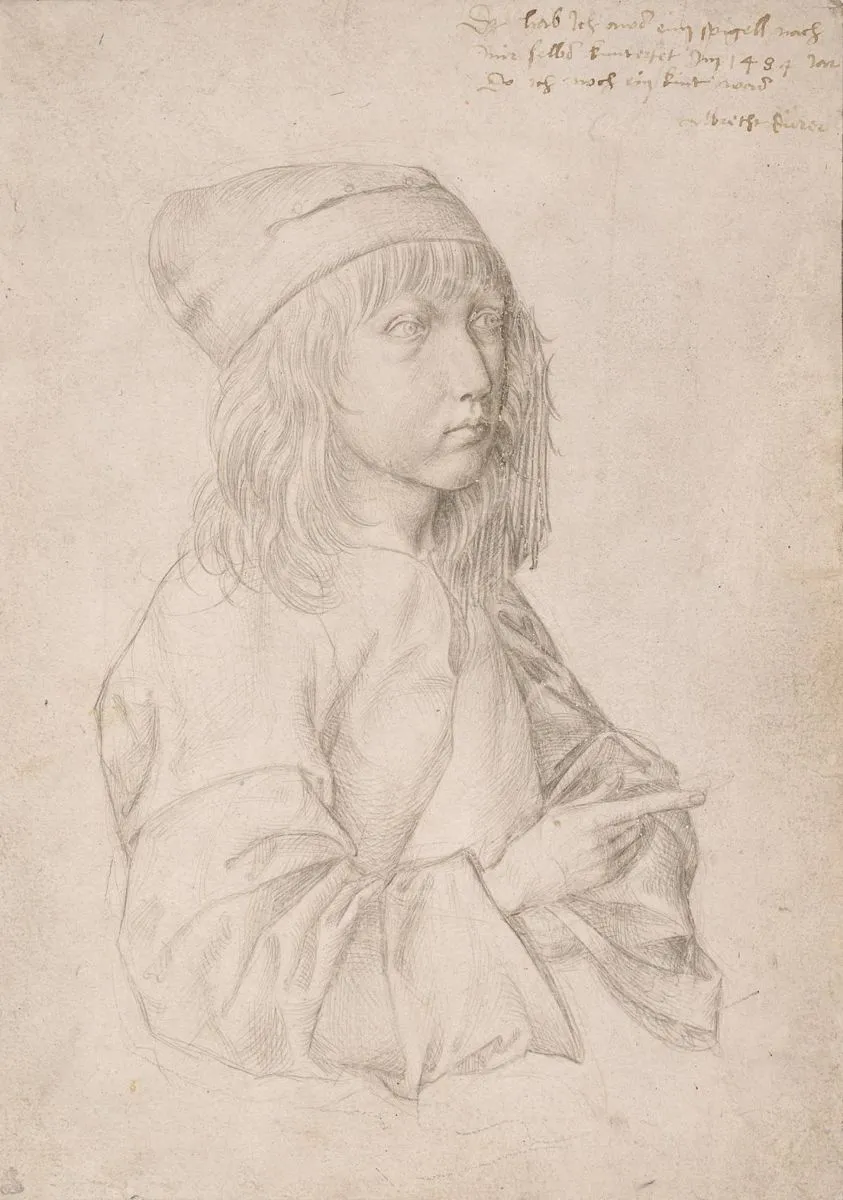
Can you name the man in the picture and his connection to When Losses Become Legacies? This week's anniversary giveaway puts your knowledge to the test.
Read more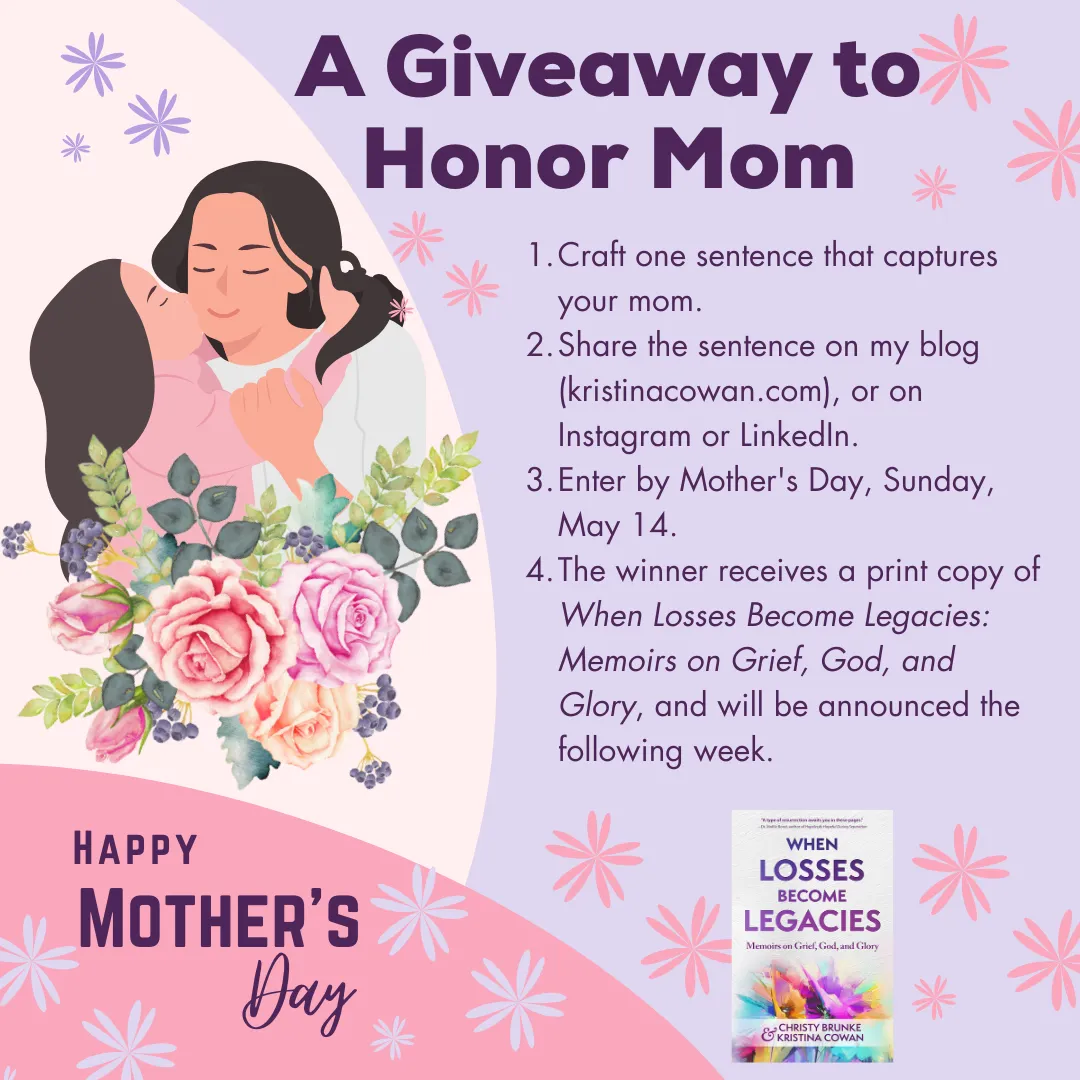
In one sentence, capture the woman who shaped you. This Mother's Day giveaway invites readers to honor their moms — whether here or on the other side of time.
Read more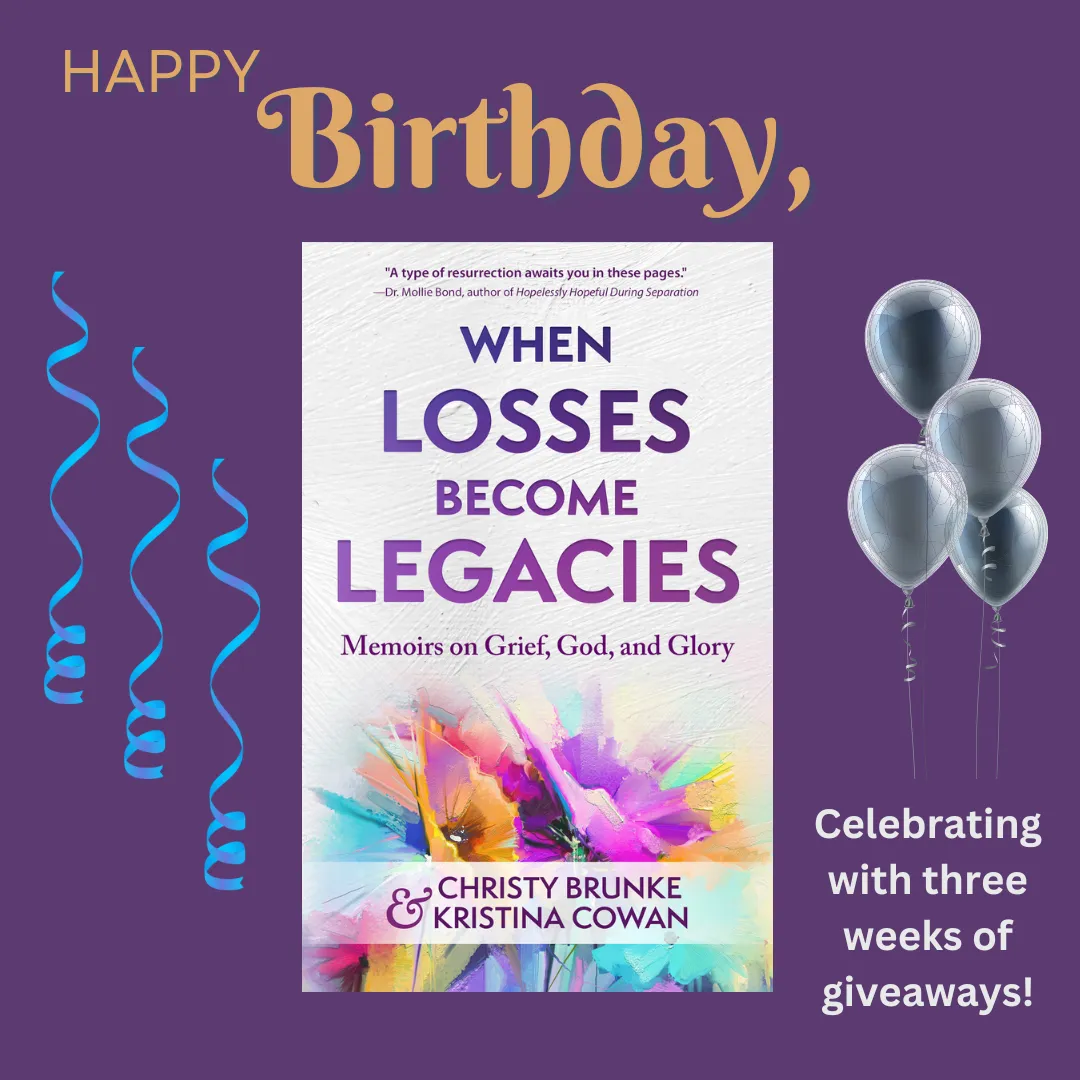
To celebrate one year of When Losses Become Legacies, my co-author and I are hosting three weeks of book giveaways centered on honoring moms, art, and the power of reader reviews.
Read more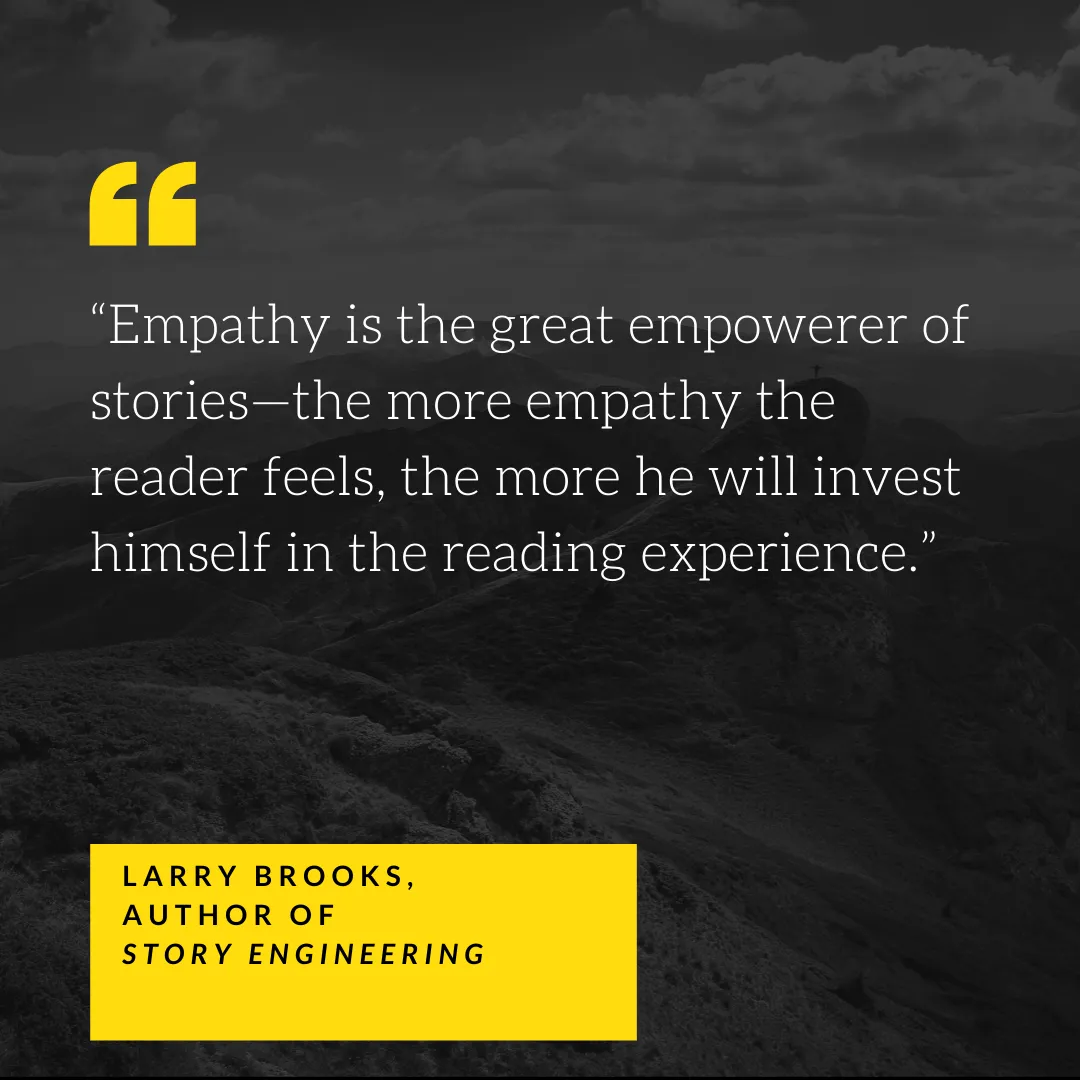
Surface behaviors, backstory, and high-stakes choices — fiction gives us access to all three dimensions of character. Larry Brooks explains how to develop and integrate each one.
Read more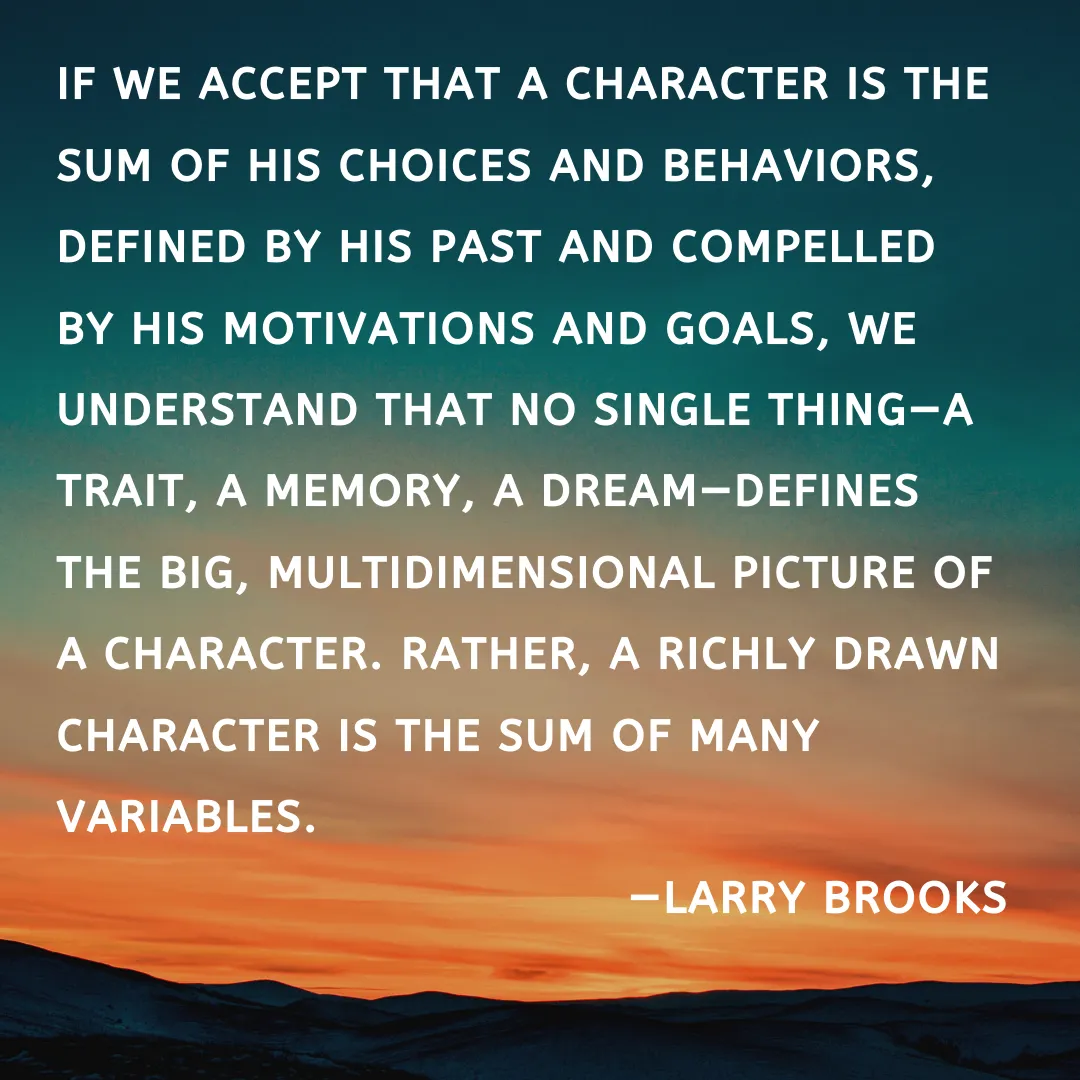
The essence of story isn't character — it's conflict. Larry Brooks lays out seven key variables that give fiction writers a place to begin building rich, compelling characters.
Read more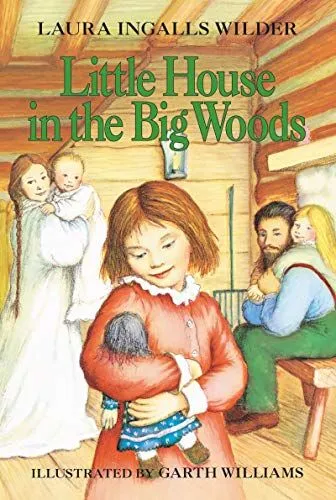
Laura Ingalls Wilder didn't start writing the Little House series until she was in her sixties. For all of us with writing projects on the back burner: hope is immune to all viruses.
Read more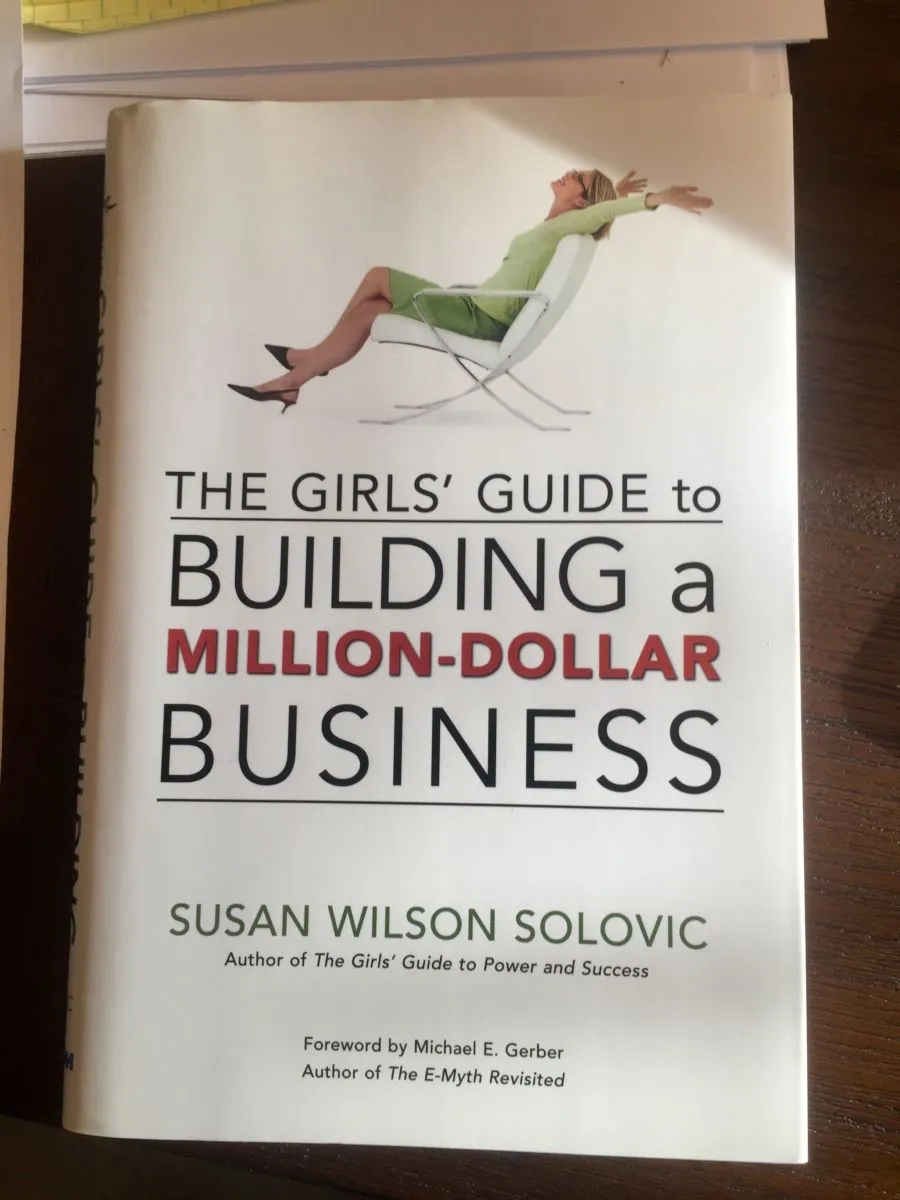
Wading into fiction after twenty years of journalism is freeing and daunting. During this pandemic season, may we push beyond our comfort zones and make ourselves good at something new.
Read more
Amazon controls over 80 percent of ebook sales, and alarmingly little stands in the way of it controlling the entire book industry. What does that mean for authors?
Read more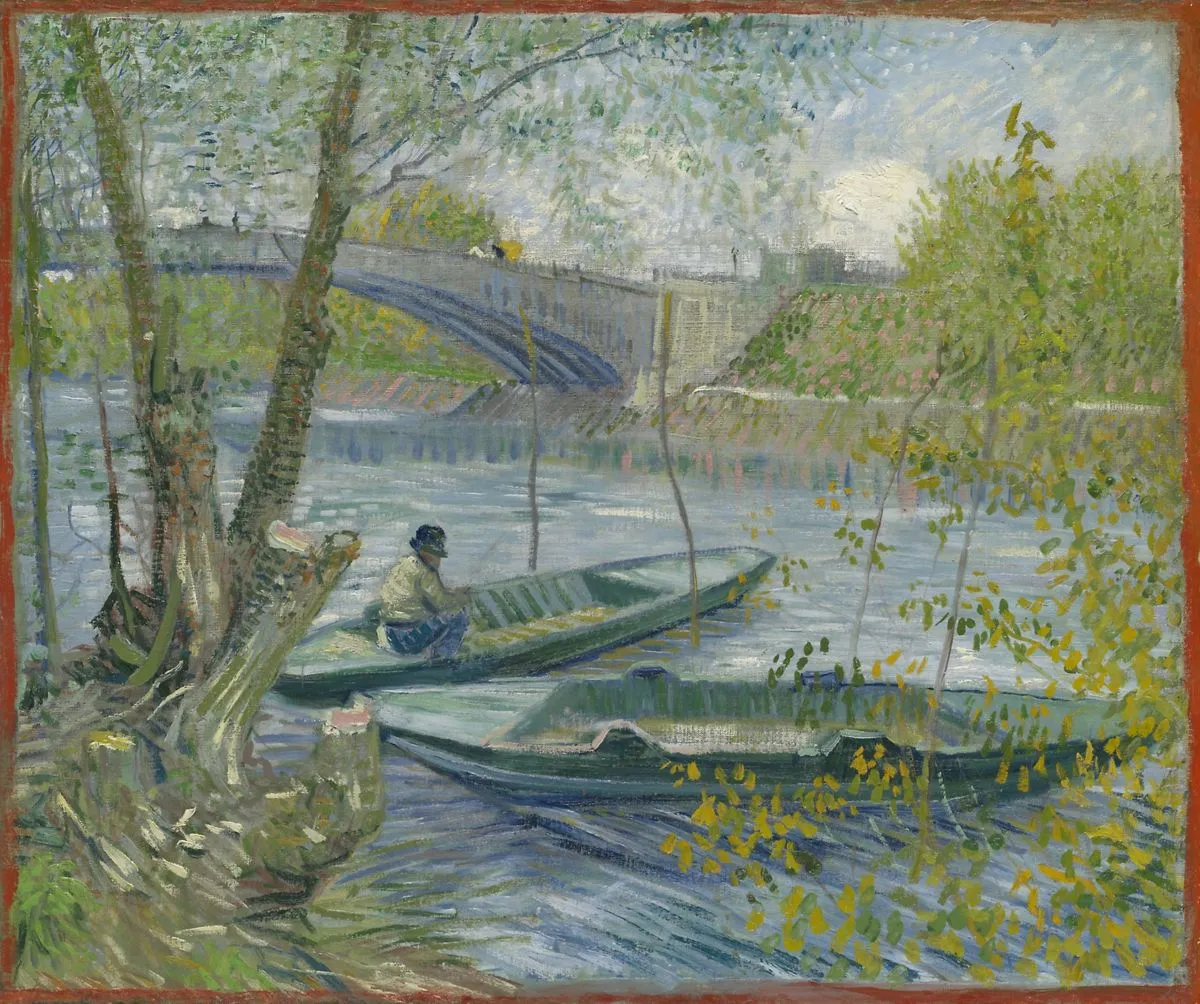
Van Gogh painted for only ten years and knew almost no success, yet he laid the foundations of modern art. May we take heart and keep writing, whether or not we know success.
Read more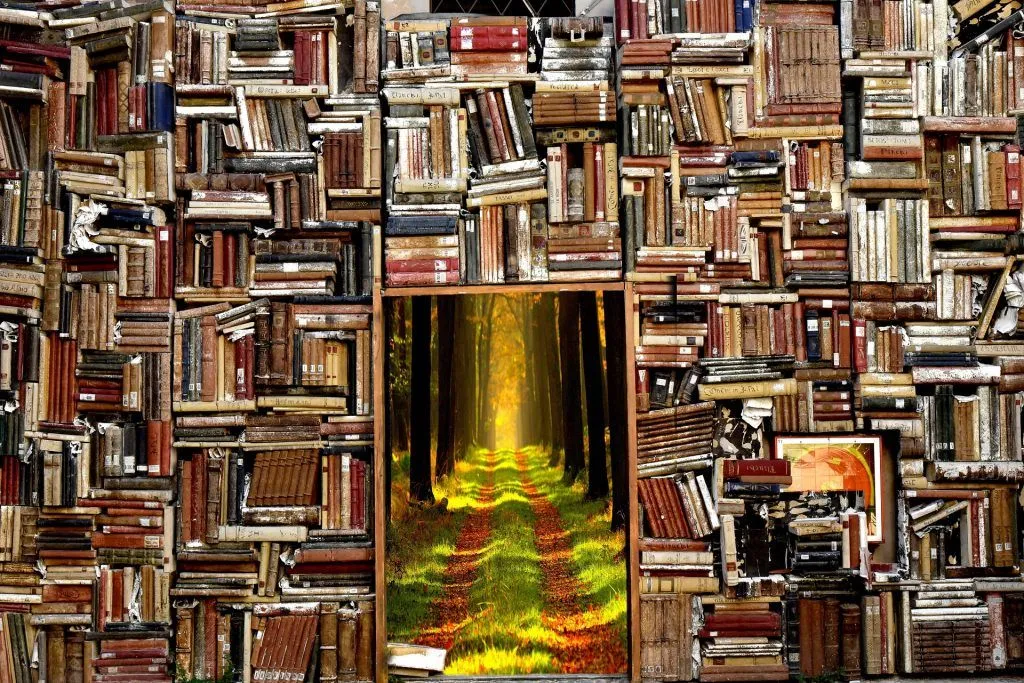
Thirty years ago, there were half a million books on the market. Today, a new book may compete against fifteen million titles.
Read more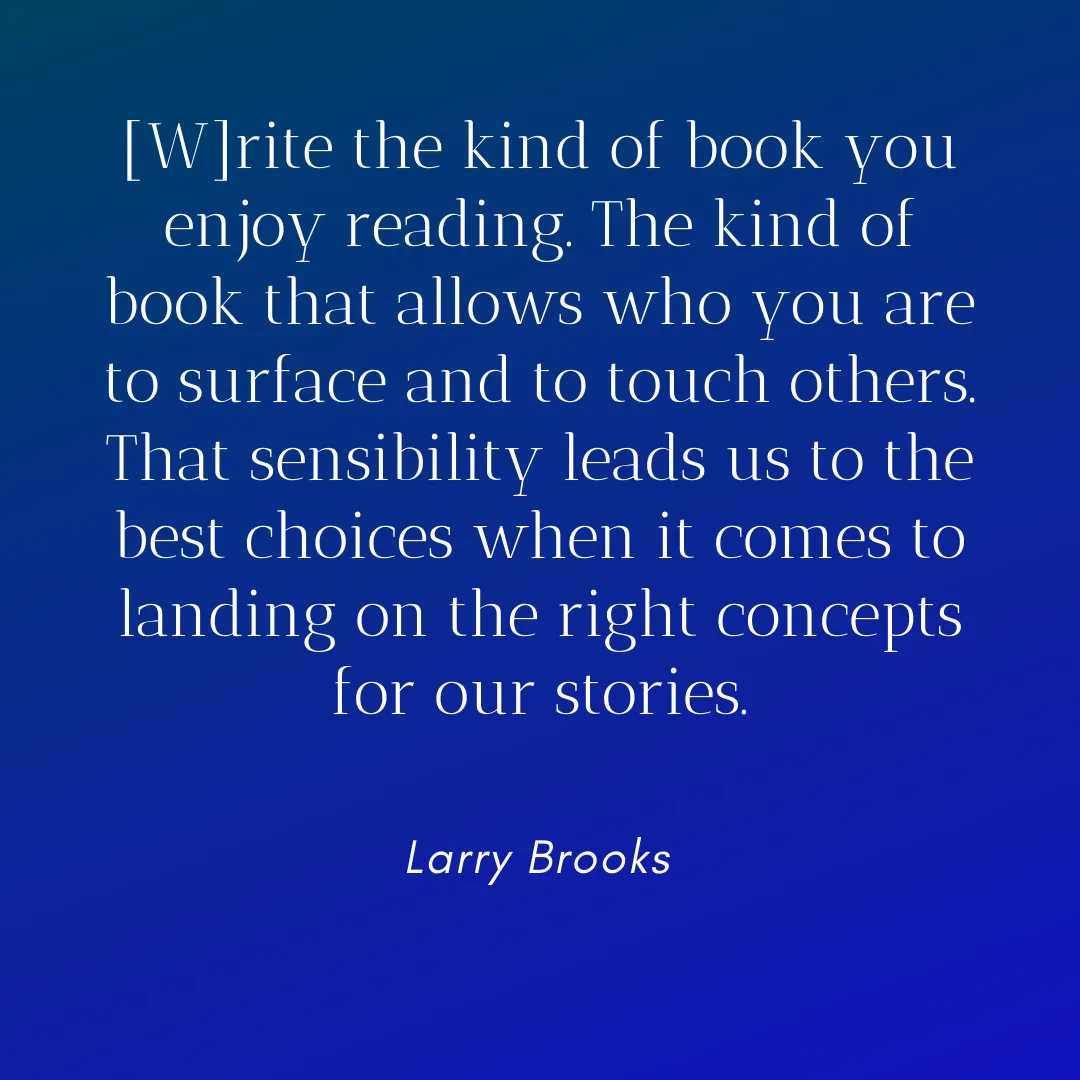
I never found the postpartum book I needed, so I wrote it. The best advice any writer can follow: write the book you wish you could read.
Read more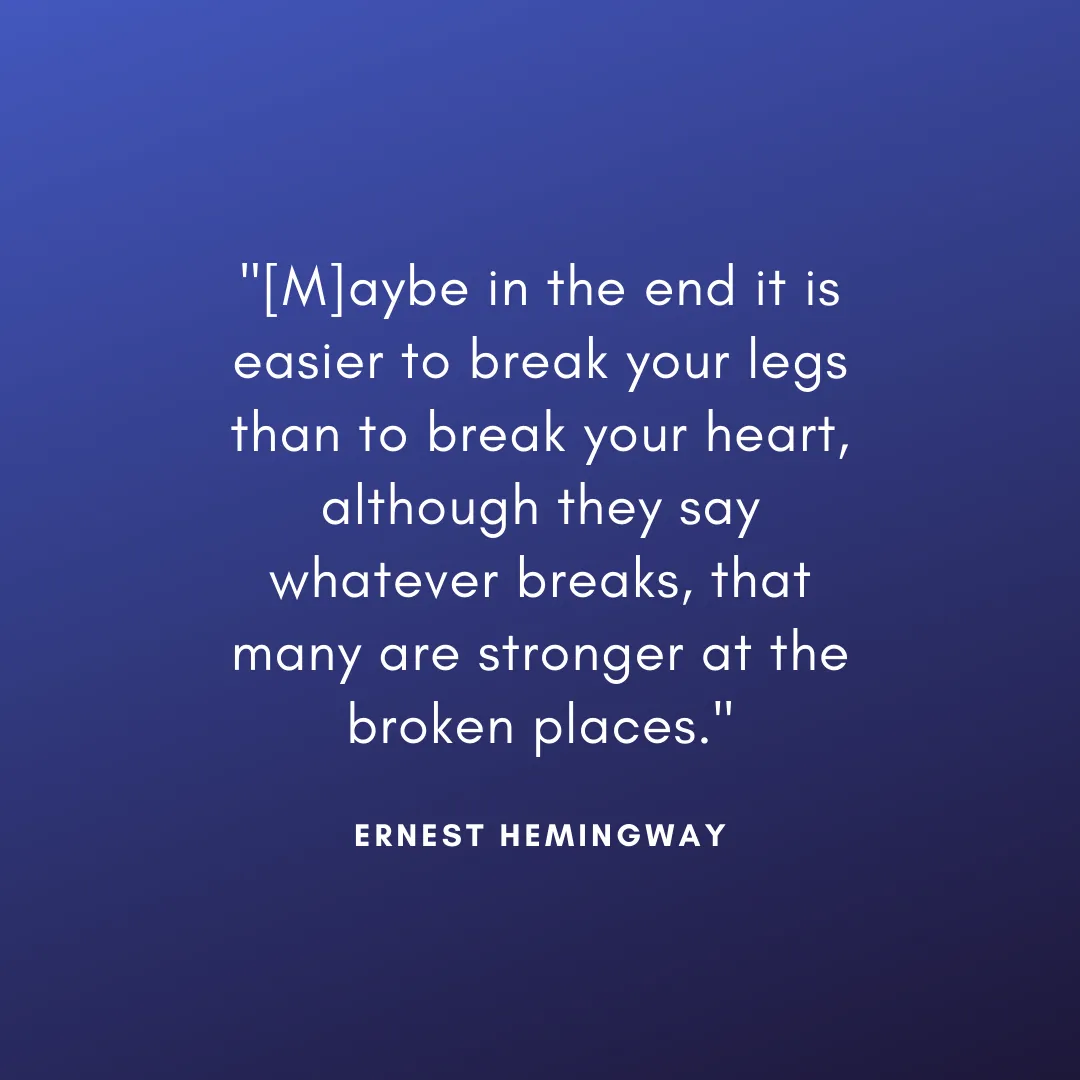
Hemingway was complicated, but slivers of humility and remorse slip through his sealed prose — especially when it comes to the first wife he never stopped regretting.
Read more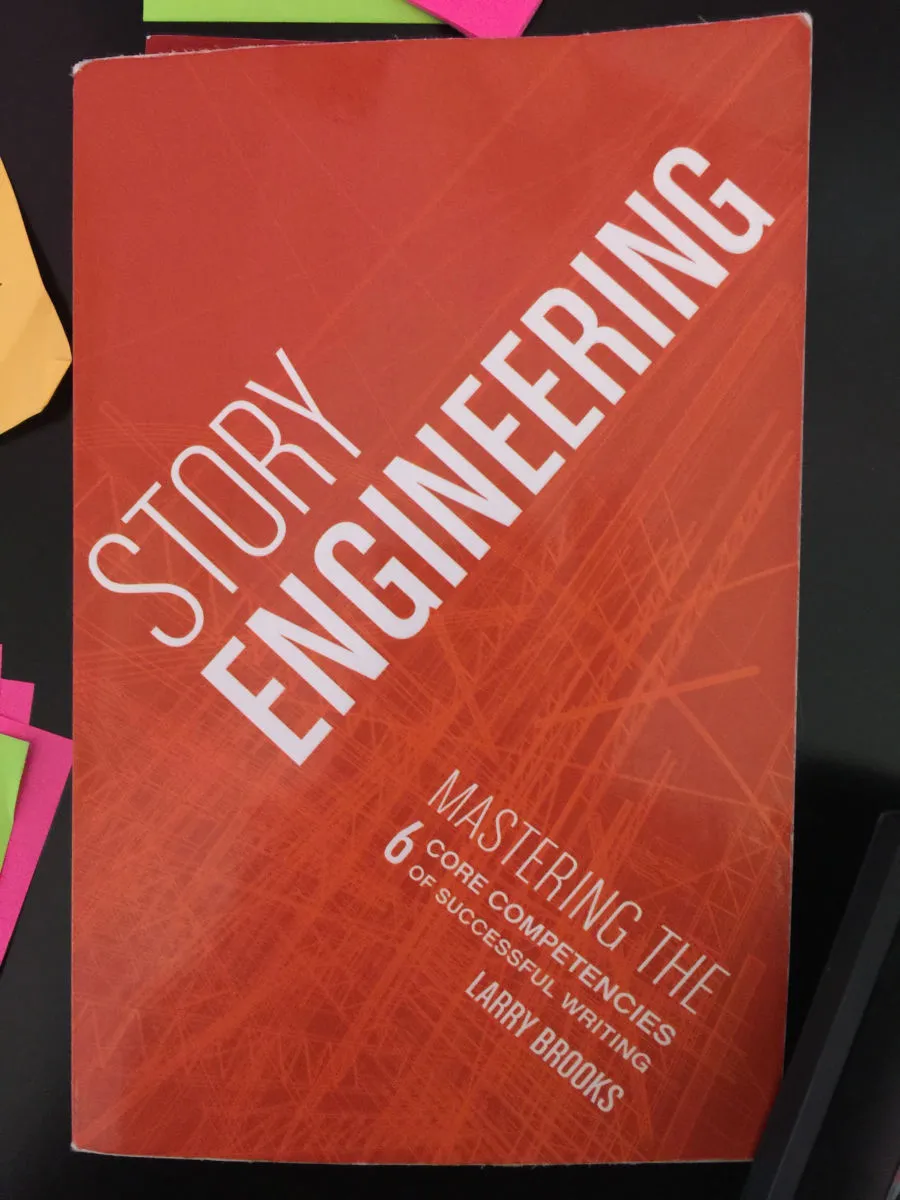
Without a strong concept, your fiction won't float. Larry Brooks breaks down what separates a true concept from a mere idea — and how to know if yours is good enough.
Read more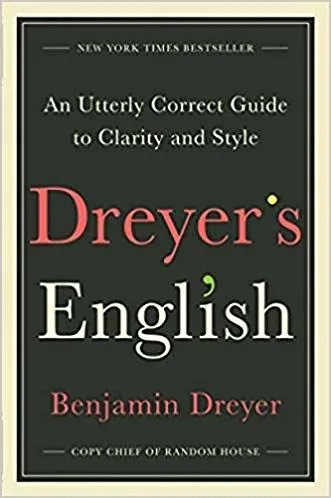
Benjamin Dreyer's delightful take on the misused apostrophe — a charming excerpt from one of the best style manuals you'll ever read.
Read more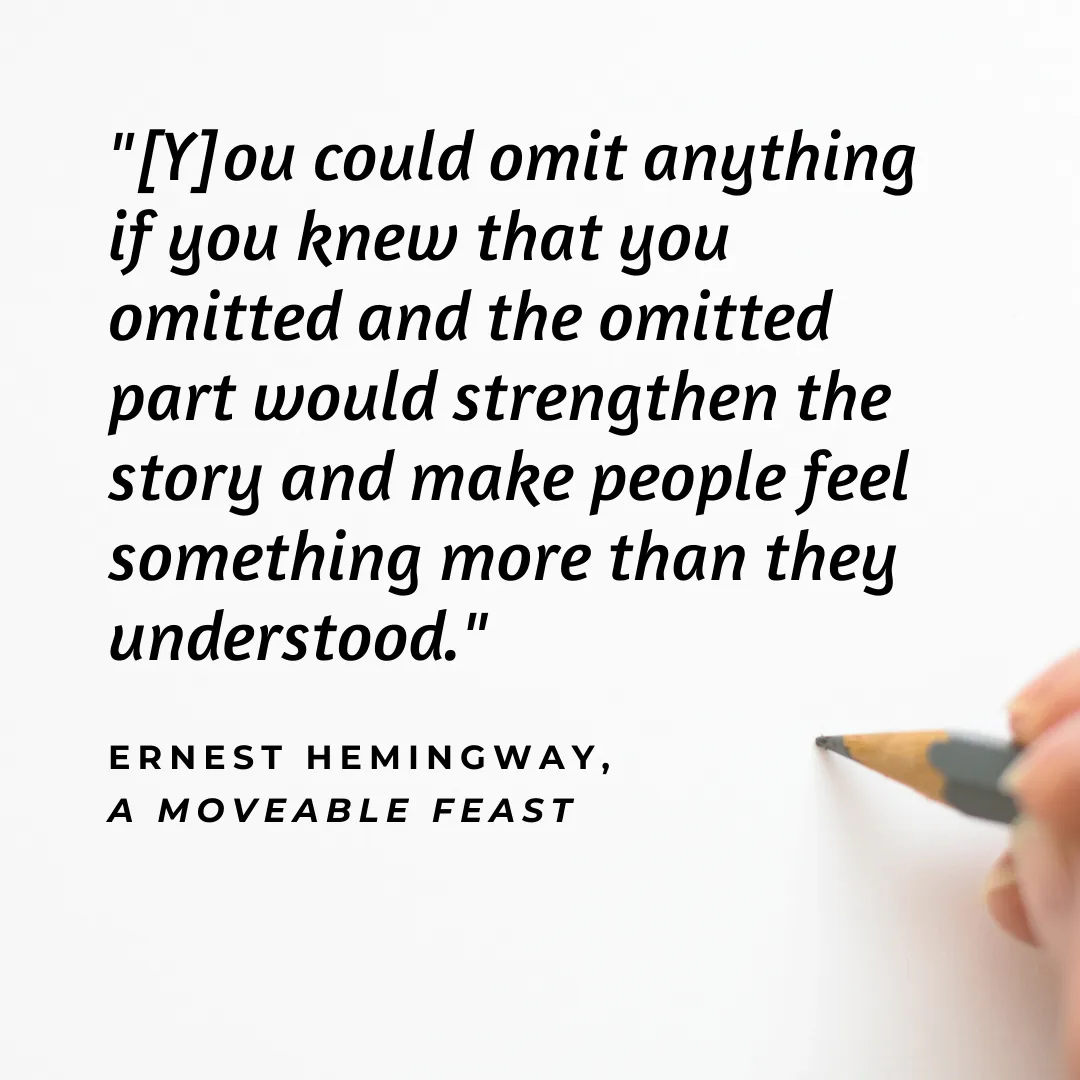
Sometimes the best thing you can do for a story is cut. Hemingway reminds us that what we leave out can make readers feel something more than they understand.
Read more
A reflection on the endless pursuit of clarity in writing, inspired by the French writer Joseph Joubert.
Read more Larry Brooks's six core competencies of storytelling offer writers a framework for crafting well-rounded, sellable fiction — no matter how you approach the page.
Read more
A new decade, a new vision for this site, and a reflection on why writers reach into their own heartbreak to help heal readers.
Read more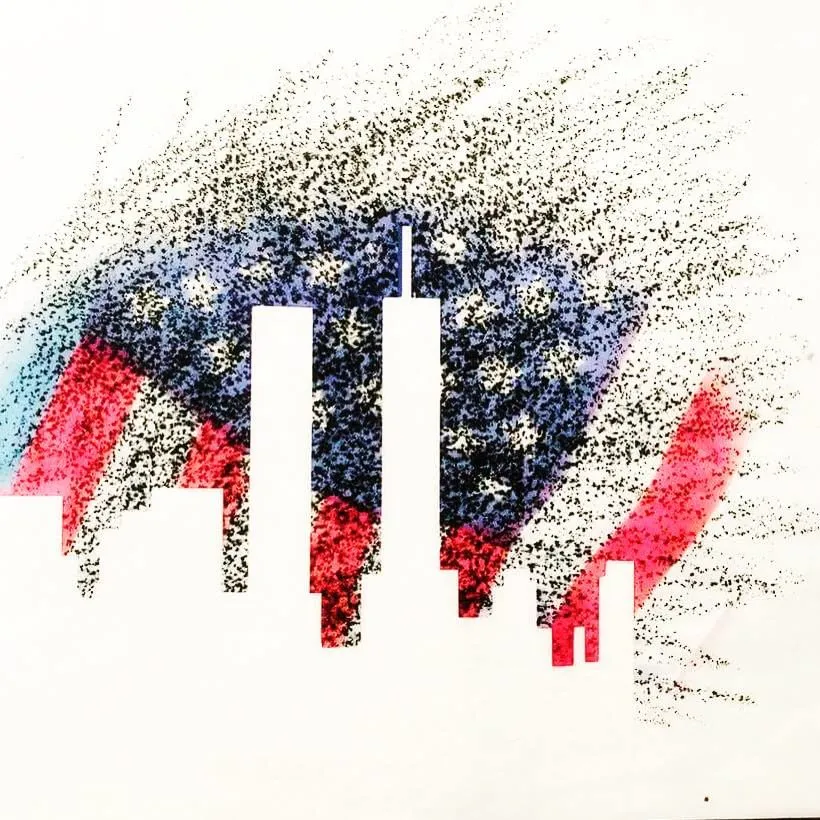
On the morning of September 11, I was a Washingtonian living ten minutes from the Pentagon. The crystalline blue sky that day became illustrative of humanity's starkest contrasts.
Read more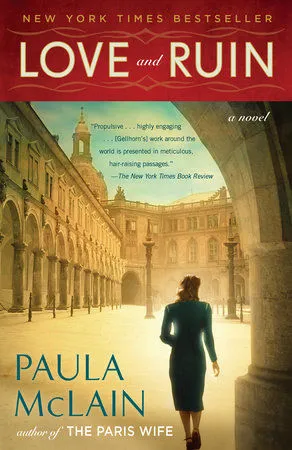
Paula McLain's novel reveals Martha Gellhorn — war correspondent, D-Day witness, and Hemingway's third wife — as far more than a footnote to someone else's life.
Read more Style manuals are important but rarely fun — until Benjamin Dreyer's witty, essential guide came along. If you write or edit, this book will sharpen your prose and make you smile.
Read more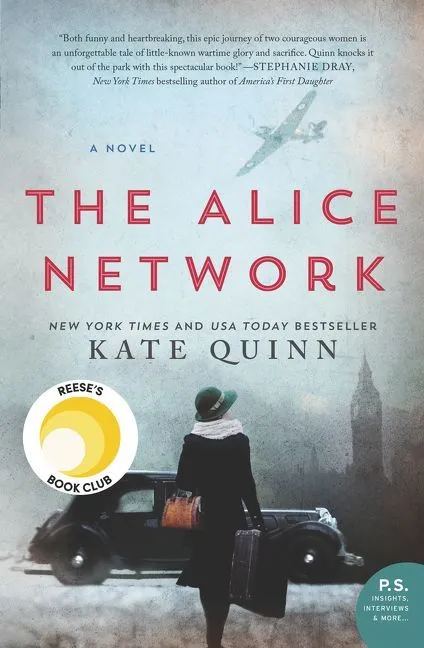
Kate Quinn's raw, vivid novel about a WWI spy and a young American searching for her lost cousin sent me on a journey through wartime courage, female resilience, and the redemptive truth that we don't need to stay broken.
Read more
No magic formula exists for writing success. But from reading voraciously to editing ferociously, here are ten things every writer should do — whether you're a best-selling novelist or just starting out.
Read moreMartha Hall Kelly's debut novel masterfully weaves fiction and history to illuminate Ravensbrück, Hitler's only all-women concentration camp — a place I never knew existed until I turned these pages.
Read moreGoodreads is giving away free copies of my debut book on postpartum depression. Enter for a chance to win.
Read more